Institute of Physics & Materials Research Institute, UNAM
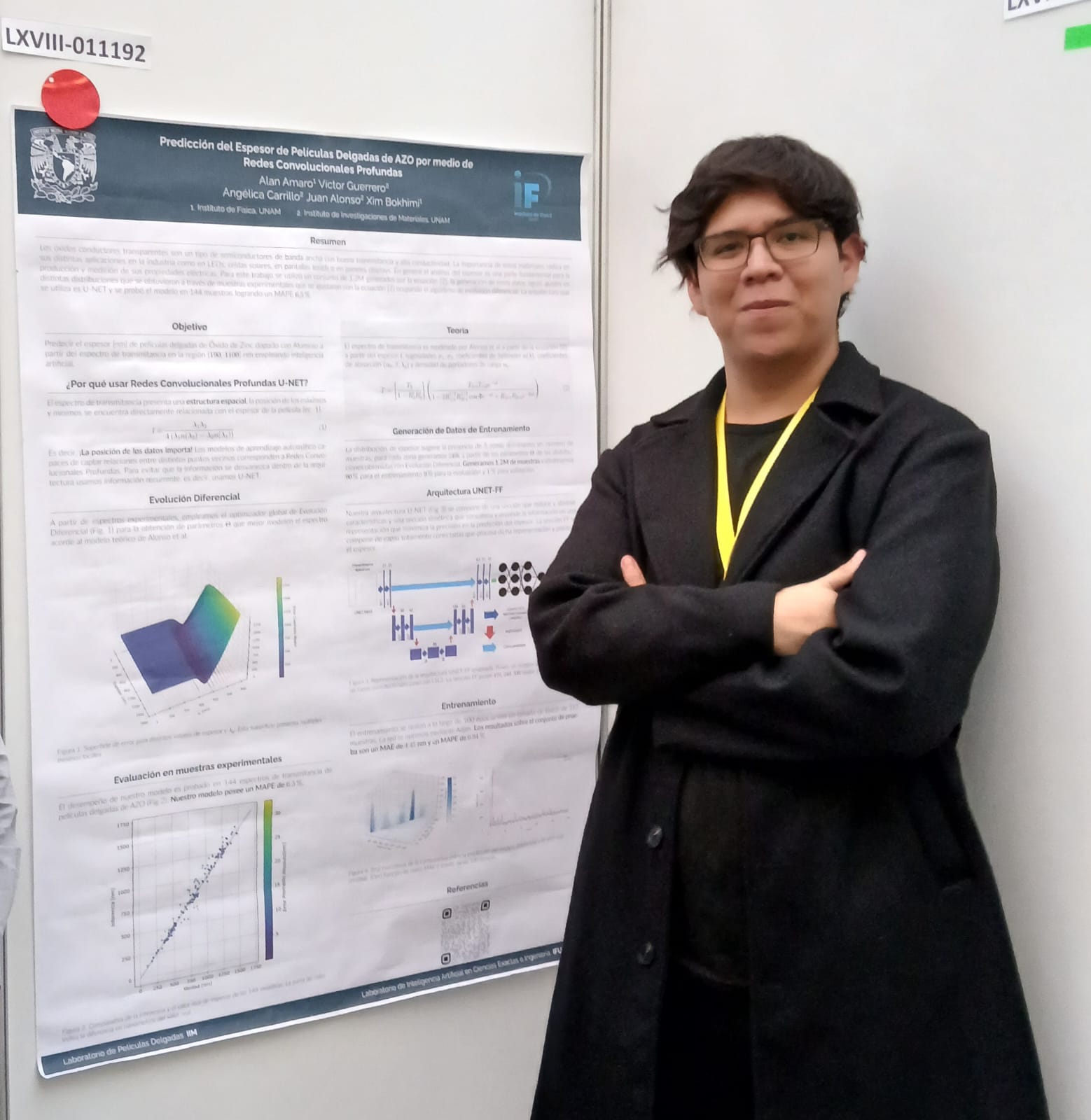
AzoNet — Thin-Film Thickness Prediction
January 2025 — August 2025 · Ciudad Universitaria, Mexico
Overview
Led the end-to-end development of a Deep Convolutional Network (U-NET) named AzoNet to predict thin-film thickness from optical transmittance spectra. The model was designed to serve as a rapid, non-destructive characterization tool for materials science laboratories, replacing slower and more expensive traditional measurement techniques.
Key Achievements
- Augmented the dataset with 1.2 million synthetic samples generated from Gaussian Mixture distributions, dramatically improving model generalization and robustness.
- Applied global optimization techniques (Differential Evolution) for non-linear curve fitting, enhancing model accuracy and robustness in parameter estimation.
- Achieved MAPE of 7% and R² of 0.93 on 145 experimental samples with rigorous cross-validation.
- Developed a standalone executable with a user-friendly GUI (TTK Bootstrap) for deploying and visualizing predictions, making the tool accessible for non-technical users and laboratory staff.
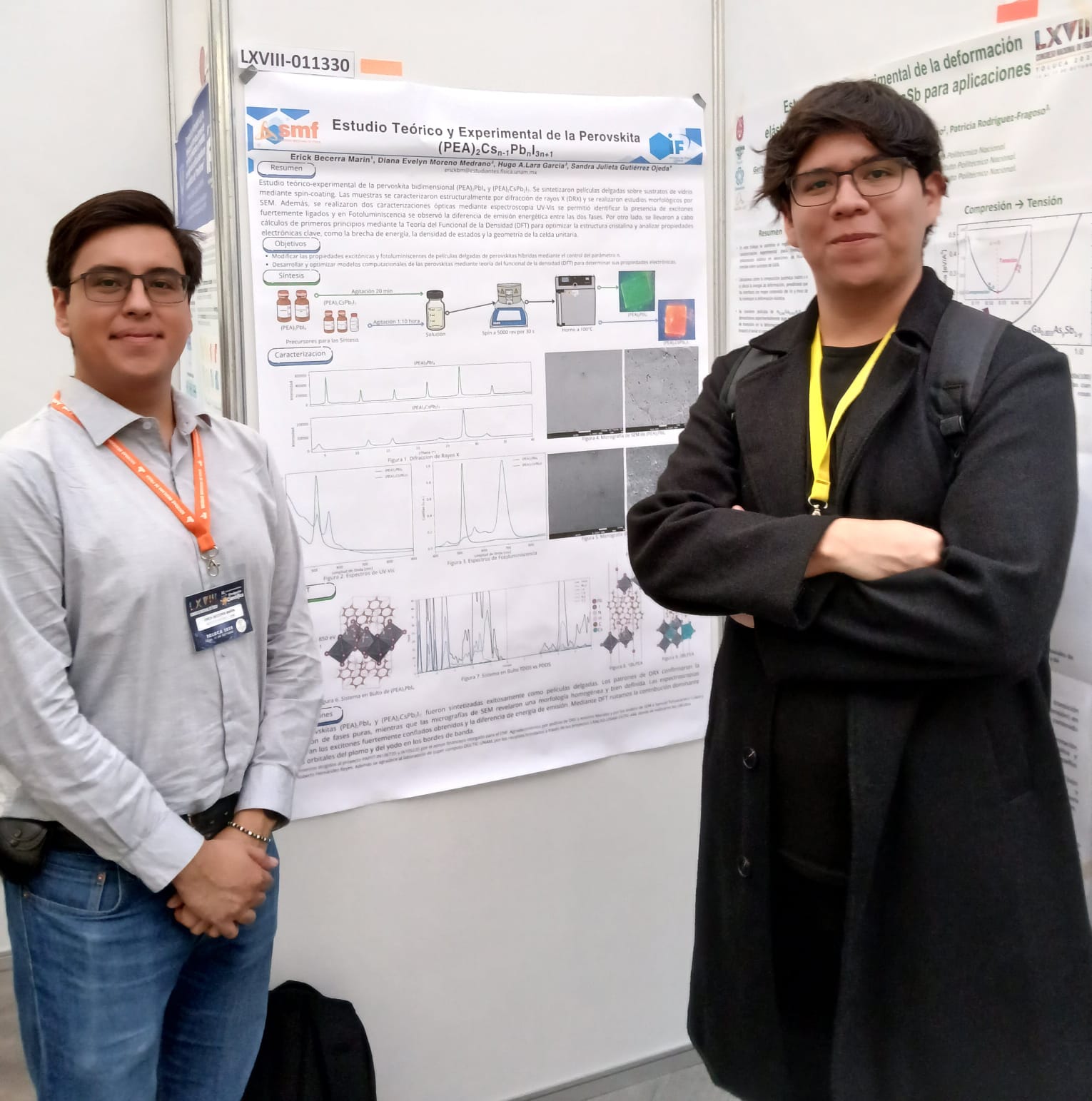
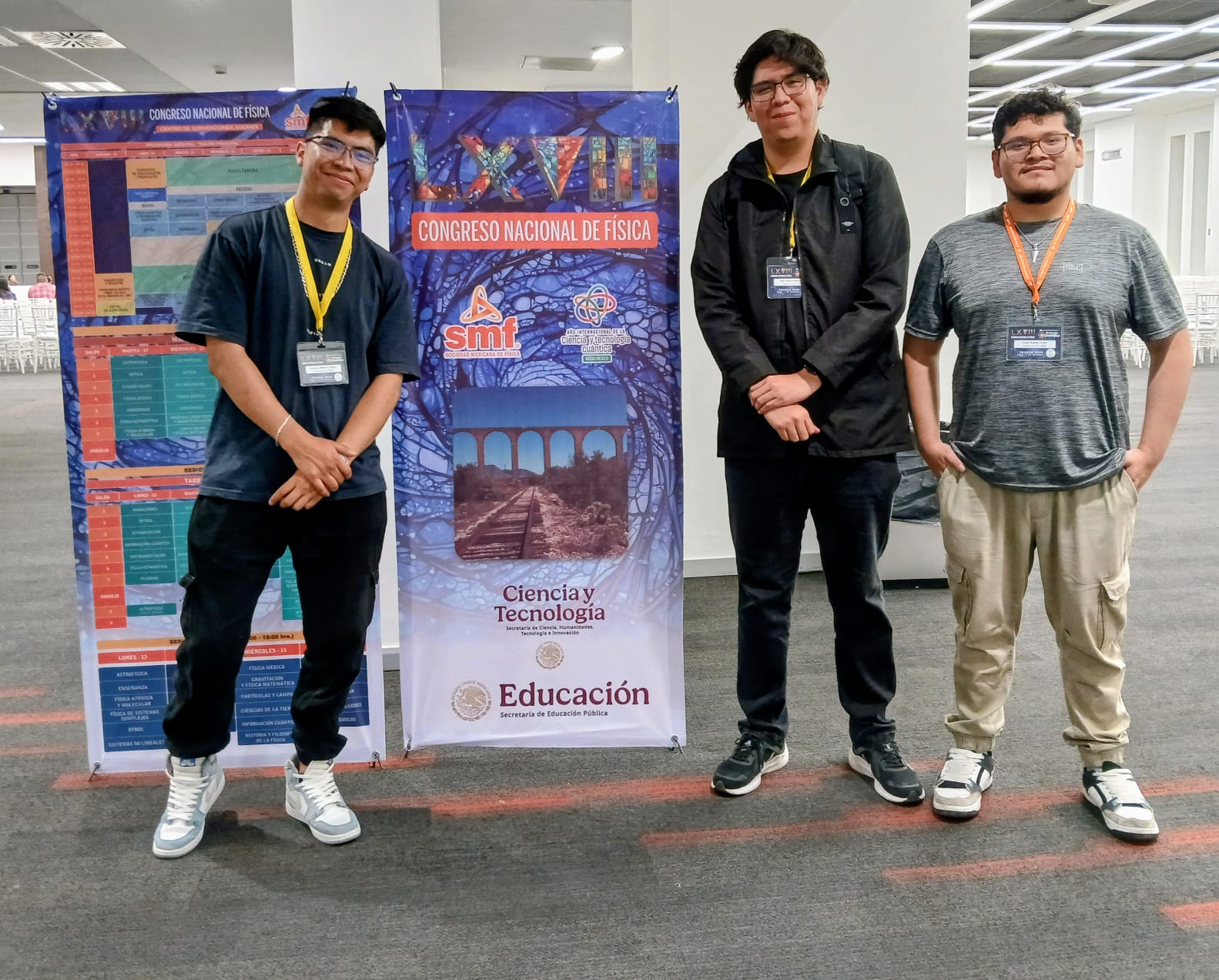
- Disseminated findings at the Congreso Nacional de Física 2025 in Mexico.
- Authored a manuscript currently under peer-review at the Journal of Materials Chemistry C (RSC).
Gallery